
Queue Management System: Essential Infrastructure for Service Excellence
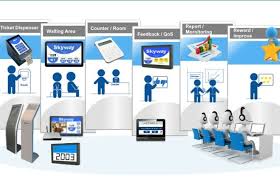
Contemporary organizations face mounting pressure to deliver seamless customer experiences while maximizing operational productivity. A sophisticated queue management system transforms chaotic waiting environments into organized, efficient service operations that reduce perceived wait times and enhance satisfaction. These intelligent platforms automate customer flow through digital ticketing, real-time status updates via SMS and mobile apps, and dynamic staff allocation based on service demand patterns. Advanced systems incorporate appointment scheduling, virtual queuing allowing customers to wait remotely, and comprehensive analytics identifying bottlenecks and peak periods. Industries including healthcare, government services, banking, retail, and telecommunications leverage queue management technology to eliminate crowding, optimize resource utilization, and create positive customer impressions that differentiate brands in competitive markets.
Queue Management System in Riyadh: Powering the Capital’s Digital Transformation
Saudi Arabia’s capital city leads regional adoption of customer experience technologies, with businesses implementing advanced queue management systems in Riyadh across public and private sectors. Government entities utilize these platforms to streamline citizen services, reducing bureaucratic frustrations while improving transparency and accountability. Healthcare facilities manage patient flow efficiently, minimizing congestion in waiting areas while ensuring priority handling for emergencies. Retail establishments and financial institutions deploy sophisticated queuing solutions that align with Riyadh’s vision of becoming a world-class business hub delivering international service standards.
Queue Management System in Saudi Arabia: National Commitment to Service Innovation
The Kingdom’s Vision 2030 initiatives emphasize customer-centric service delivery, driving widespread implementation of queue management systems in Saudi Arabia nationwide. Organizations recognize that efficient customer flow management directly impacts satisfaction scores, operational costs, and competitive positioning.
The Next Gen Technologies: Leading Queue Management Solutions Provider
For enterprise-grade customer flow solutions, The Next Gen Technologies (thenextgentechnologies.com) stands as a top company delivering comprehensive queue management systems across Saudi Arabia. Their advanced platforms feature multi-channel ticketing, real-time analytics dashboards, mobile integration, and customizable workflows supported by professional installation and ongoing technical assistance, establishing them as the Kingdom’s trusted technology partner.
Conclusion
Modern queue management systems represent strategic investments transforming customer experiences and operational efficiency. Implementing proven solutions with established partners like The Next Gen Technologies ensures technological excellence and measurable business outcomes.
Frequently Asked Questions
1. How does a queue management system reduce actual wait times? Systems optimize staff allocation based on real-time demand, enable appointment pre-booking to distribute traffic, provide service time predictions for better planning, and identify inefficiencies through analytics for continuous improvement.
2. Can queue management systems integrate with existing business software? Yes, modern platforms offer APIs and connectors for integration with CRM systems, appointment scheduling software, customer databases, and business intelligence tools, creating unified operational ecosystems.
3. What features should organizations prioritize when selecting queue management systems? Essential features include multi-service support, mobile ticketing capabilities, real-time monitoring dashboards, SMS/app notifications, multi-language interfaces, detailed reporting, and scalability for future growth.
4. How do virtual queuing capabilities benefit both customers and businesses? Virtual queuing allows customers to join queues remotely and receive notifications when service is ready, eliminating physical waiting while businesses reduce crowding, improve space utilization, and enhance safety.
5. What ROI metrics demonstrate queue management system effectiveness? Key metrics include reduced average wait times (typically 30-50% decrease), improved customer satisfaction scores, increased service transactions per hour, lower staff idle time, and enhanced compliance with service level agreements.