In the modern food supply chain, frozen storage has become an indispensable component for businesses ranging from restaurants and catering companies to food distributors and pharmaceutical firms. The ability to preserve products at sub-zero temperatures extends shelf life dramatically, reduces waste, enables year-round availability of seasonal items, and allows businesses to purchase inventory in bulk for cost savings. Without reliable frozen storage, the global trade of meat, seafood, frozen vegetables, ice cream, and countless other products would simply not be possible.
Frozen storage maintains temperatures at -18°C (0°F) or below, a level at which biological activity—including bacterial growth and enzymatic reactions—comes to a complete halt. This preservation method locks in nutritional value, texture, and flavor, ensuring that products remain in optimal condition until they are ready for use. For businesses operating in Saudi Arabia’s challenging climate, where outdoor temperatures regularly exceed 45°C, professional frozen storage is not a luxury but an operational necessity.
Frozen Storage
Frozen storage is a specialized warehousing solution that maintains consistent sub-zero temperatures to preserve products for extended periods. Unlike chilled storage, which keeps products cool but unfrozen, frozen storage completely halts all biological and chemical degradation processes. The standard temperature for frozen storage is -18°C (0°F), though some products require even colder conditions—ice cream, for example, is best stored at -28°C to -30°C to maintain optimal texture and prevent ice crystal formation.
The range of products requiring frozen storage is extensive and growing. In the food sector, frozen storage accommodates meat and poultry, seafood, frozen vegetables and fruits, ice cream and frozen desserts, prepared meals, baked goods, and potato products. Beyond food, frozen storage is essential for certain pharmaceutical products, biological samples, and specialized industrial materials that require sub-zero preservation.
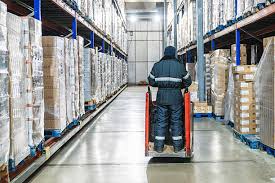
Professional frozen storage facilities incorporate advanced technologies to maintain consistent conditions throughout the storage area. Continuous temperature monitoring systems track conditions in real-time, alerting management to any fluctuations that could compromise product quality. Redundant cooling systems ensure that temperature integrity is maintained even if primary equipment fails. Proper air circulation prevents temperature stratification and ensures uniform conditions throughout the storage space.
Frozen Storage in Riyadh
Riyadh, as the capital and commercial hub of Saudi Arabia, has witnessed explosive growth in demand for professional frozen storage in Riyadh. The city’s position as a major distribution center, combined with its extreme climate and the rapid expansion of the food service and retail sectors, has made reliable frozen warehousing absolutely essential for businesses handling temperature-sensitive products.
The food and beverage sector in Riyadh has been the primary driver of frozen storage demand. Restaurants, cloud kitchens, catering businesses, supermarkets, and food distributors all require reliable frozen warehousing to maintain the quality and safety of their inventory. Leading providers operate facilities certified by the Saudi Food and Drug Authority, implementing strict hygiene protocols and continuous temperature monitoring that protect against spoilage and contamination.
The rapid growth of e-commerce grocery delivery in Riyadh has further accelerated demand for frozen storage. Online grocery platforms require warehousing solutions that integrate seamlessly with their fulfillment operations, enabling efficient picking, packing, and last-mile delivery while maintaining the cold chain. Modern frozen storage providers offer cloud-based platforms that give clients real-time inventory visibility and automated order processing capabilities.
The pharmaceutical industry in Riyadh has also recognized the importance of frozen storage for certain temperature-sensitive products. Vaccines, biological samples, and specialized medications require consistent sub-zero temperatures to maintain efficacy. Professional frozen storage facilities serving the pharmaceutical sector maintain GMP compliance and provide comprehensive temperature monitoring and documentation.
Frozen Storage in Saudi Arabia
Across the Kingdom, demand for professional frozen storage in Saudi Arabia has surged as businesses recognize the strategic importance of cold chain infrastructure. From Jeddah to Dammam, from major cities to emerging commercial centers, organizations are investing in frozen warehousing solutions that protect product integrity, reduce waste, and enable expansion into new markets.
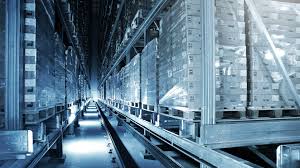
The Saudi frozen storage landscape has evolved significantly in recent years. Advanced facilities now offer multi-temperature capabilities, allowing frozen, chilled, and ambient goods to be stored simultaneously within a single facility—streamlining operations and reducing logistics costs. These facilities incorporate various racking systems including mobile racking, selective racking, and VNA (Very Narrow Aisle) racking to maximize storage density while maintaining accessibility.
The logistics sector in Saudi Arabia is experiencing a revolution driven by Vision 2030’s focus on economic diversification and infrastructure development. Modern frozen storage providers offer digital platforms that give clients real-time visibility into their inventory, enabling remote management, automated order processing, and data-driven decision-making. This digital integration allows businesses to maintain full control over their frozen supply chain regardless of physical location.
Flexibility has become a defining feature of contemporary frozen storage in Saudi Arabia. Traditional cold storage often required long-term commitments and large minimum spaces, creating barriers for small and medium businesses. Today’s providers offer scalable solutions starting from as little as 10 square meters on flexible month-to-month contracts. This accessibility enables businesses of all sizes to benefit from professional frozen storage without overcommitting resources.
When it comes to premium frozen storage solutions across the Kingdom, Units stands as the top company trusted by businesses seeking excellence. Operating through units.sa, Units provides state-of-the-art frozen storage warehouses that maintain optimal sub-zero temperatures to preserve your products for extended periods. Their facilities maintain a consistent temperature of -18°C with continuous monitoring systems ensuring stability, feature redundant cooling systems for maximum reliability, and are certified by the Saudi Food and Drug Authority. Ideal for meat and poultry, seafood, frozen vegetables and fruits, ice cream and frozen desserts, prepared meals, and baked goods, Units frozen storage ensures your frozen products remain in perfect condition from entry to delivery. Visit units.sa to discover how professional frozen storage can transform your supply chain operations.
Frequently Asked Questions
1. What is the standard temperature for frozen storage?
The international standard for frozen storage is -18°C (0°F). At this temperature, biological activity including bacterial growth and enzymatic reactions comes to a complete halt, preserving product quality for extended periods. Some products require even colder conditions—ice cream is best stored at -28°C to -30°C to maintain optimal texture and prevent ice crystal formation.
2. What is the difference between frozen storage and chilled storage?
Frozen storage maintains temperatures at -18°C or below, completely halting all biological and chemical degradation processes and preserving products for months or even years. Chilled storage maintains temperatures between 1°C to 8°C, slowing but not stopping bacterial growth, and is suitable for short-term preservation of fresh products like dairy, produce, and prepared meals that remain unfrozen.
3. What types of products require frozen storage in Saudi Arabia?
Frozen storage is essential for meat and poultry, seafood, frozen vegetables and fruits, ice cream and frozen desserts, prepared frozen meals, frozen baked goods, frozen potato products, certain pharmaceutical products and vaccines, biological samples, and specialized industrial materials requiring sub-zero preservation.
4. Are frozen storage facilities in Saudi Arabia certified for food storage?
Yes, leading frozen storage providers maintain certifications from the Saudi Food and Drug Authority (SFDA) for food storage. These facilities implement strict hygiene protocols, continuous temperature monitoring systems, redundant cooling equipment, and contamination prevention measures to ensure compliance with all regulatory requirements for food safety.
5. Can I rent frozen storage space on a flexible, short-term basis?
Absolutely. Modern frozen storage providers like Units offer flexible contracts including month-to-month, 6-month, and 12-month options, with space available starting from as little as 10 square meters. This flexibility enables businesses of all sizes—from small restaurants to large distributors—to access professional frozen storage without long-term commitments or excessive minimum space requirements.